What is an Explanation of Benefits and How Do I Read One?
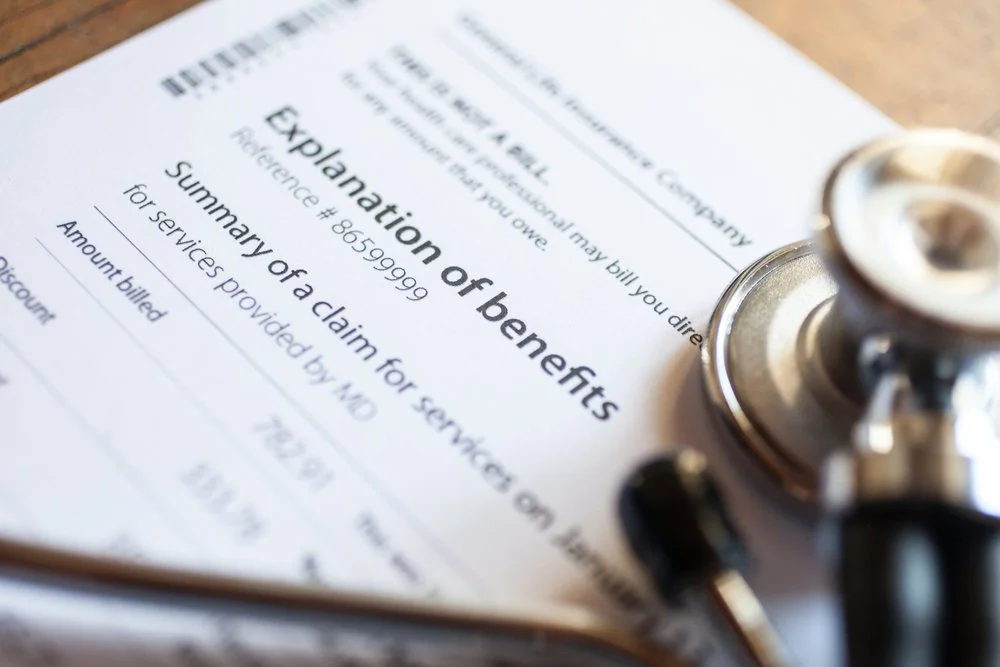
An Explanation of Benefits, abbreviated as EOB, is a statement you receive from your insurance provider after a doctor’s visit, hospital visit, surgery, etc… that explains what your health insurance plan covered. Most importantly, an EOB is not a bill, it is just a summary of how your benefits were applied.
Think of an EOB as a sort of receipt that tells you what services were provided, how much the doctor or facility charged, what your insurance paid, and what you may owe.
After you see a healthcare provider, they will typically charge you a copay and/or bill your insurance before anything else happens. The insurance company then processes that claim based on your coverage and their agreed upon rate with that provider or facility. Your insurance provider then provides you with an EOB and sends their payment to the provider/facility. Your provider will then bill you for any additional cost that you owe; your deductible, coinsurance, etc…
Your EOB is important because it will tell you what the negotiated rate was between your provider and the insurance company as well as how much you may owe. This is especially important when you have large claims like surgeries and hospital stays since your EOB can help you determine how close you are to meeting your deductible and out of pocket maximum.
It may seem overwhelming, but it is important to review your EOB’s when they arrive and track them so that you know when your deductible and out of pocket maximum has been reached. Often during major medical events, lots of providers are billing your insurance at one time. It is important that you keep track of what you are billed and what your EOB says you might owe because you may need to go back to your provider and ask them to re-bill your insurance when you’ve met your deductible. Remember, your EOB is only what the insurance provider thinks you may owe. Your insurance provider doesn’t know exactly who you have paid and when so you will need to track that yourself.
EOB’s are also important because they may help to catch billing errors and avoid help you avoid surprise charges. If you notice anything on your EOB that doesn’t look right, a service you don’t recall having, or a date you didn’t visit your provider for example, make sure and call your provider right away.